
Piazza San Marco - Walking Through the Heart of La Serenissima

The first time I stepped into Piazza San Marco, I understood immediately why Venice has inspired so many writers, painters, musicians, and travellers. The square doesn’t simply appear in front of you; it seems to unfold like a stage. Ornate façades rise on every side, pigeons sweep across the open space, tourists drift between centuries-old buildings, and beyond it all lies the unmistakable presence of the Venetian Lagoon. For a moment, I forgot that I was standing in a modern city. It felt as though the past had simply refused to leave.

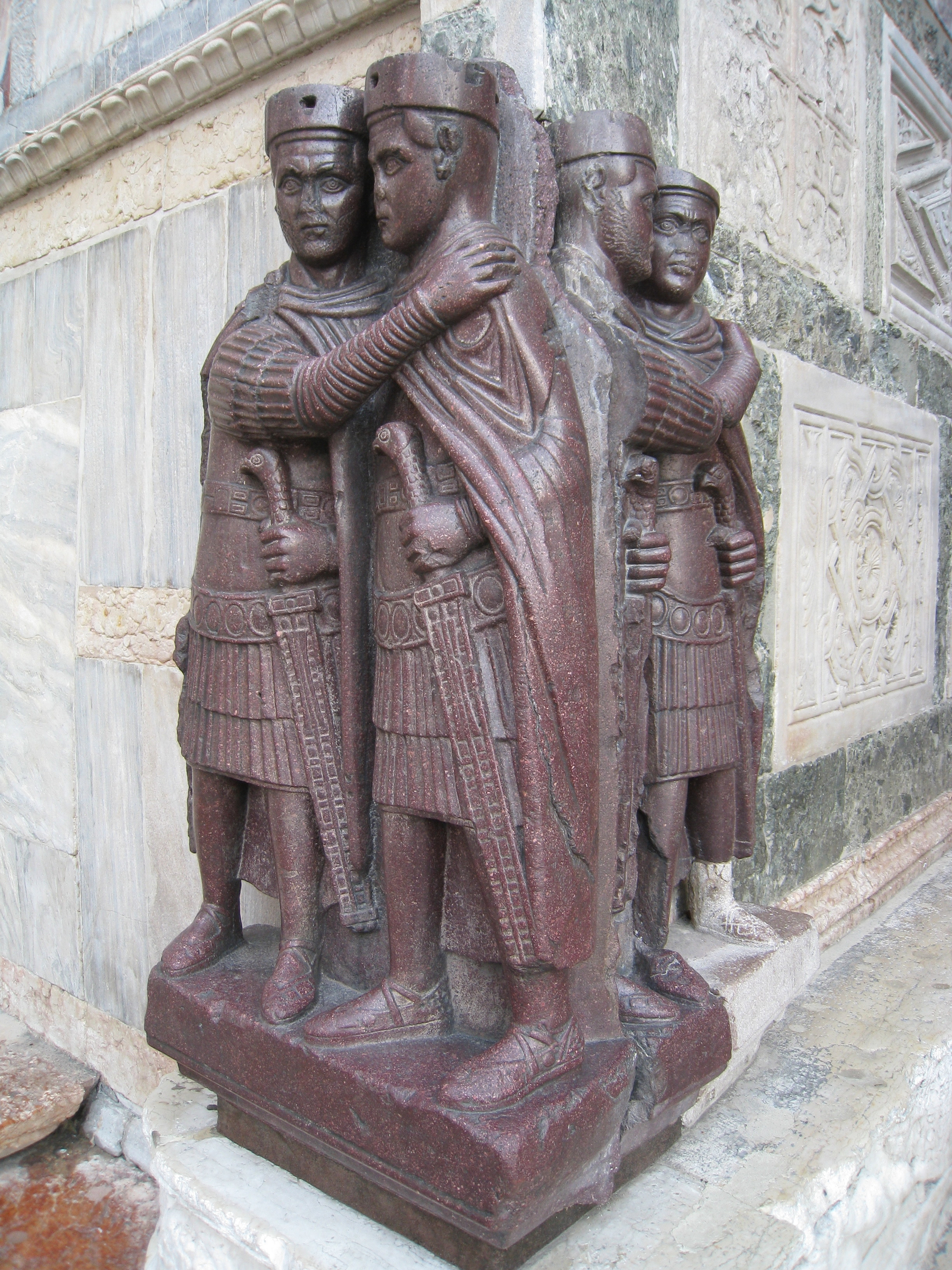
Piazza San Marco has been the ceremonial and political heart of Venice for more than a thousand years. The square began taking shape during the early medieval period, when the area was considerably smaller and the Basilica of San Marco stood closer to the Doge’s Palace. Over centuries, Venice expanded and reshaped the piazza into the grand public space we recognize today. What began as a modest area beside the basilica eventually became the stage upon which the Venetian Republic displayed its wealth, power, religion, and political ambition.

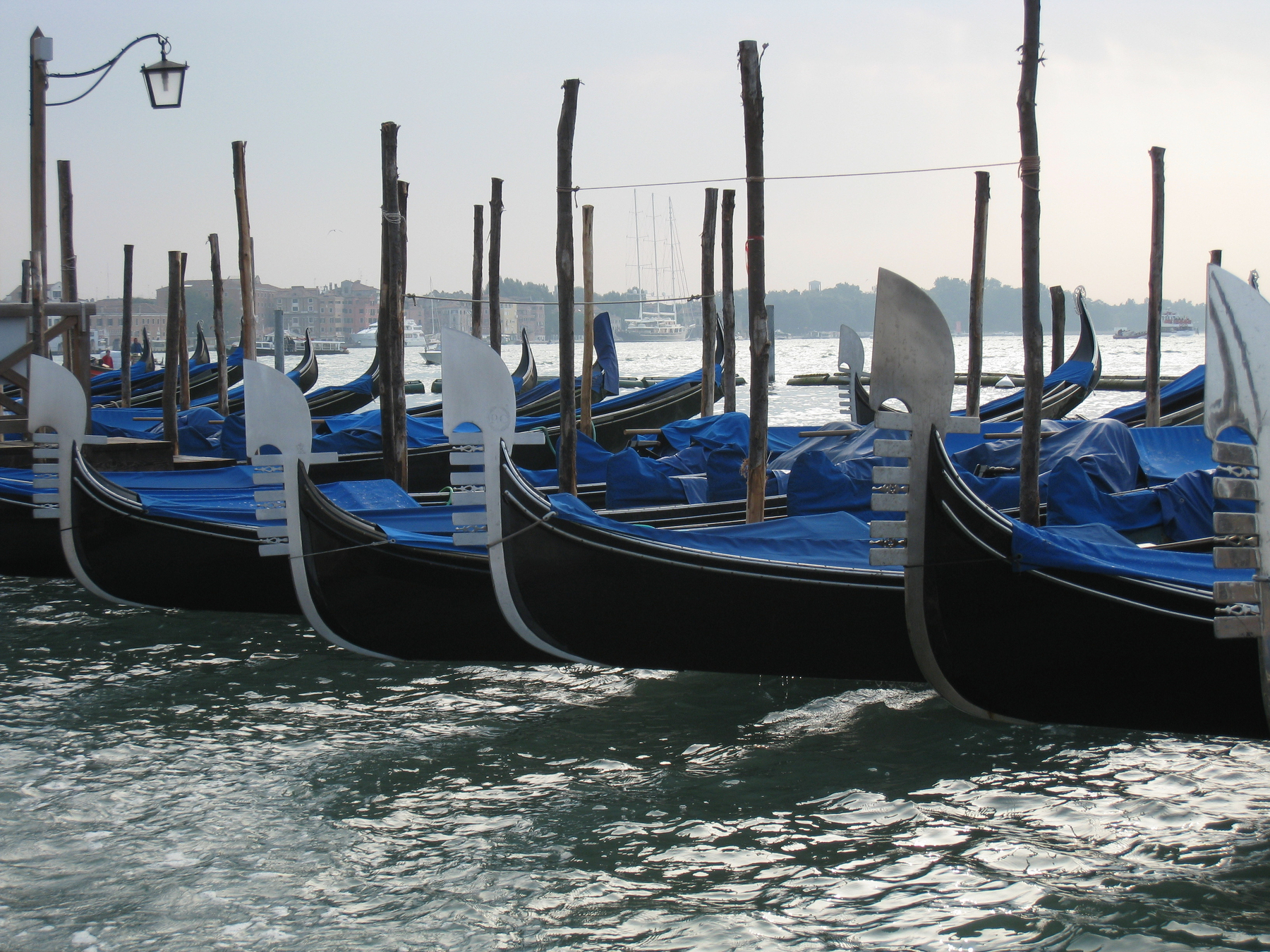
The name of the square comes from Saint Mark the Evangelist, whose remains were brought to Venice in the ninth century. According to Venetian tradition, two Venetian merchants obtained the relics from Alexandria in 828, concealing them beneath layers of pork to evade Muslim customs officials. Whether every detail of the story is true is impossible to know, but the episode became an important part of Venetian identity. Saint Mark replaced Saint Theodore as the city’s patron saint, and the winged lion associated with him became the enduring symbol of the Venetian Republic.

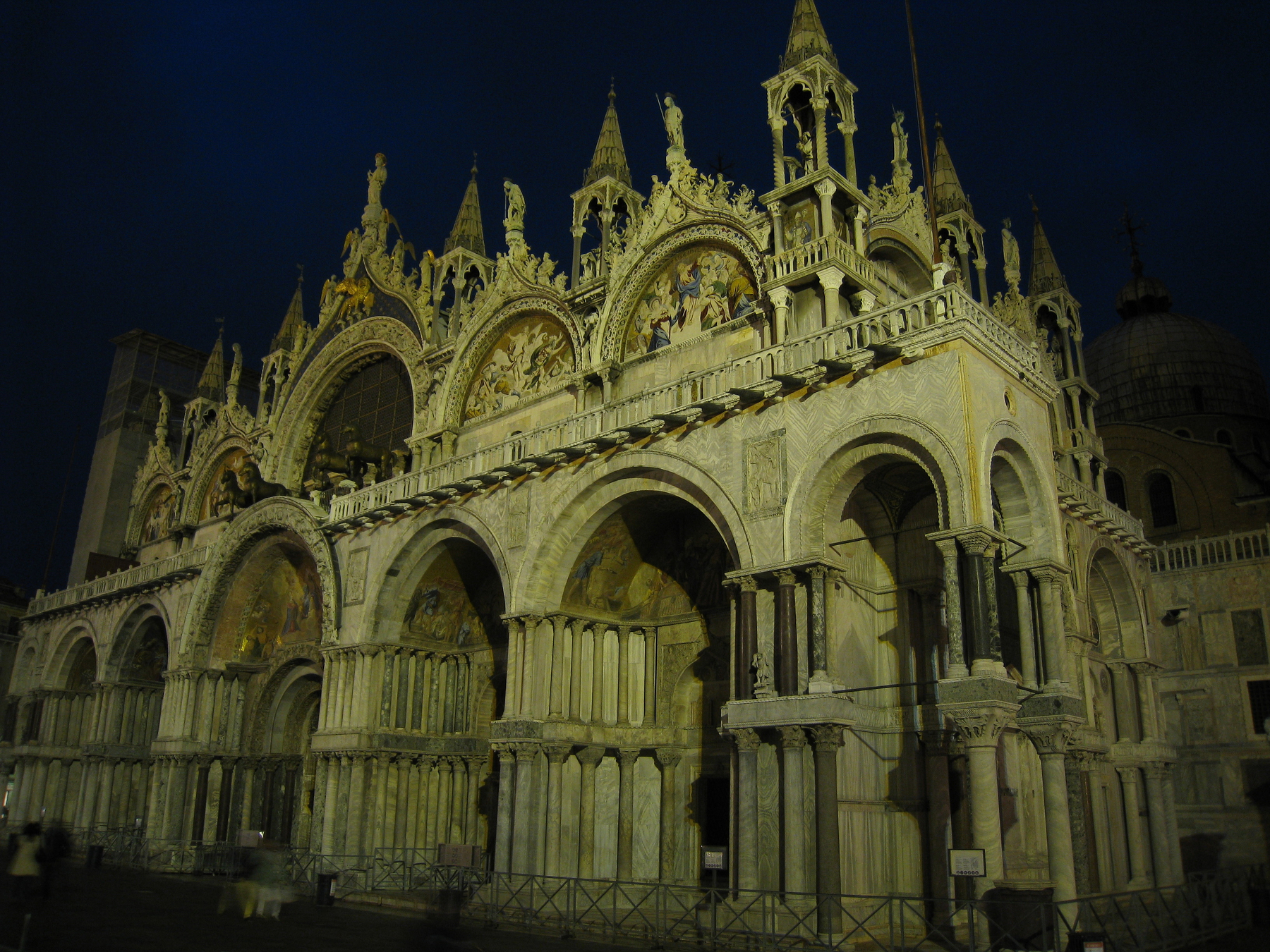
The Basilica di San Marco is where that history becomes almost overwhelming. Its extraordinary mixture of Byzantine, Romanesque, Gothic, and Islamic influences reflects Venice’s position at the crossroads between Europe and the Eastern Mediterranean. The republic was a maritime power, and Venetian merchants travelled extensively throughout the Mediterranean and beyond. They brought back not only spices, silk, and precious goods, but also artistic influences that were incorporated into the city’s architecture.


Standing before the basilica, I found myself looking upward at a building that seems almost deliberately designed to overwhelm the senses. Domes rise above the façade, marble covers the exterior, and golden mosaics catch the light. The famous bronze horses above the central entrance have an equally complicated history. Originally from antiquity, they were brought to Venice after the Fourth Crusade and later became symbols of Venetian triumph. They were eventually moved indoors for preservation, while replicas now occupy their historic position.

Inside the basilica, the effect becomes even more dramatic. More than 8,000 square metres of mosaic decoration cover the interior, much of it composed of tiny pieces of coloured glass and gold leaf. The result is unlike almost anything else in Europe. Rather than simply illustrating religious stories, the mosaics transform the building itself into a shimmering visual experience. As sunlight filters through the windows, the golden surfaces seem to move, creating an atmosphere that feels completely different from the busy square outside.

But San Marco was never simply a church. For centuries, it was closely connected to the political power of the Venetian Republic. The Doge, Venice’s elected head of state, was closely associated with the basilica, and major ceremonies were held here. Religion and government were deeply intertwined, allowing the republic to present itself as both a political power and a Christian state with a special relationship to Saint Mark.

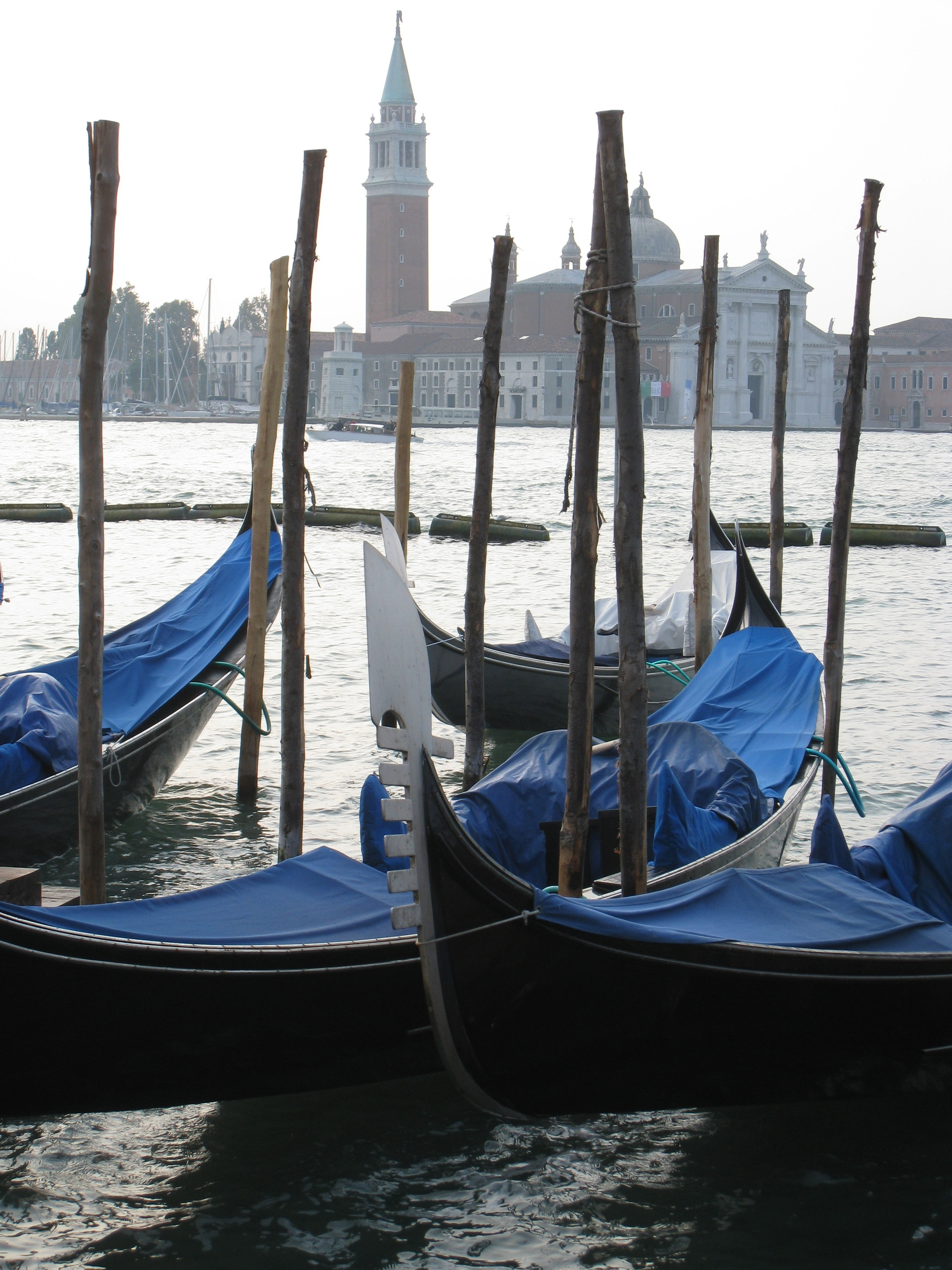
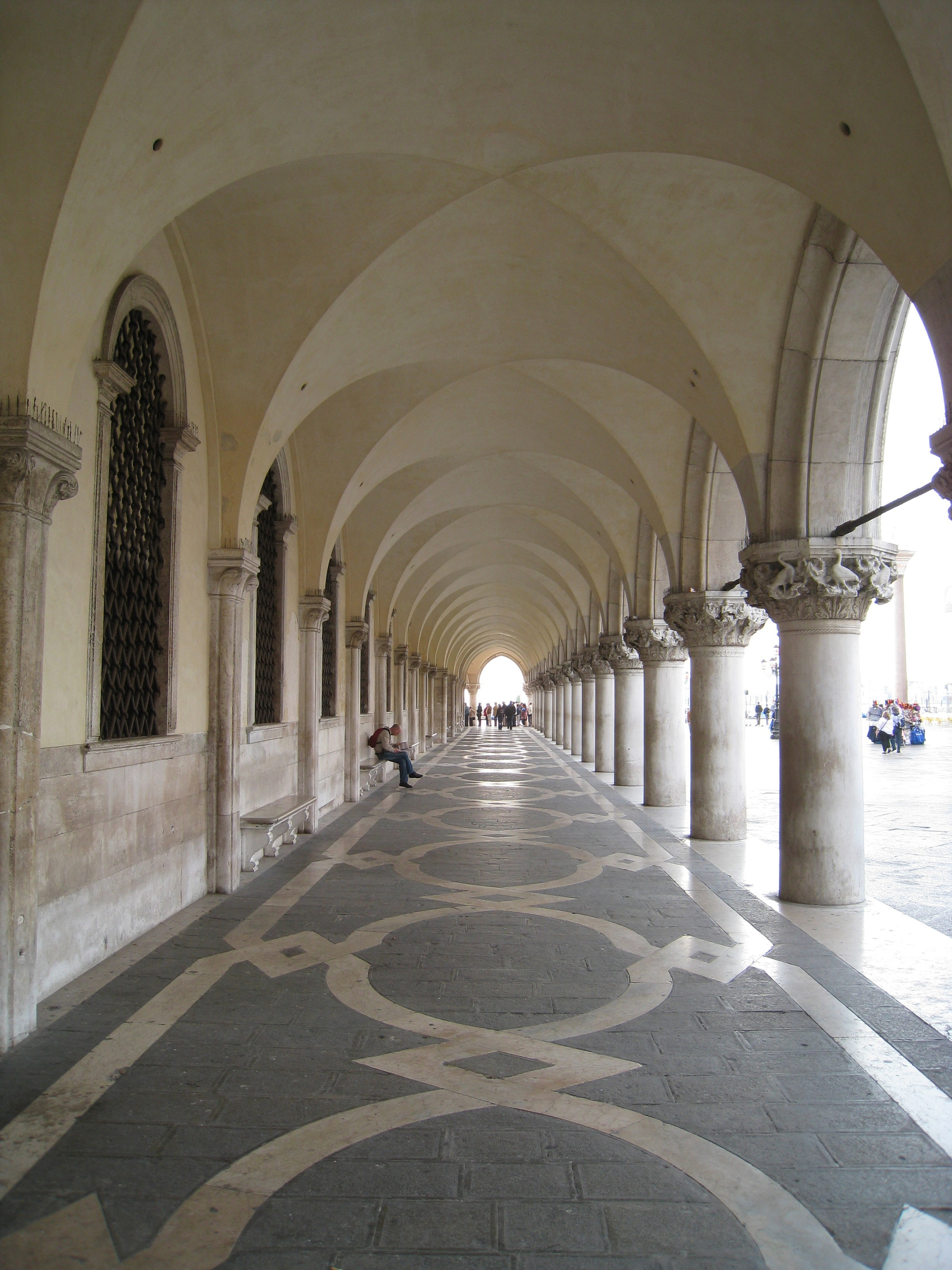
Next door stands the Doge’s Palace, and its extraordinary Gothic architecture provides a fascinating contrast to the basilica’s Byzantine appearance. This was the centre of Venetian government, where the Doge and the city’s councils made decisions that could affect territories across the Mediterranean. Behind those elegant arches and elaborate façades was a complex political system involving councils, elected officials, aristocratic families, judges, and secretive institutions.
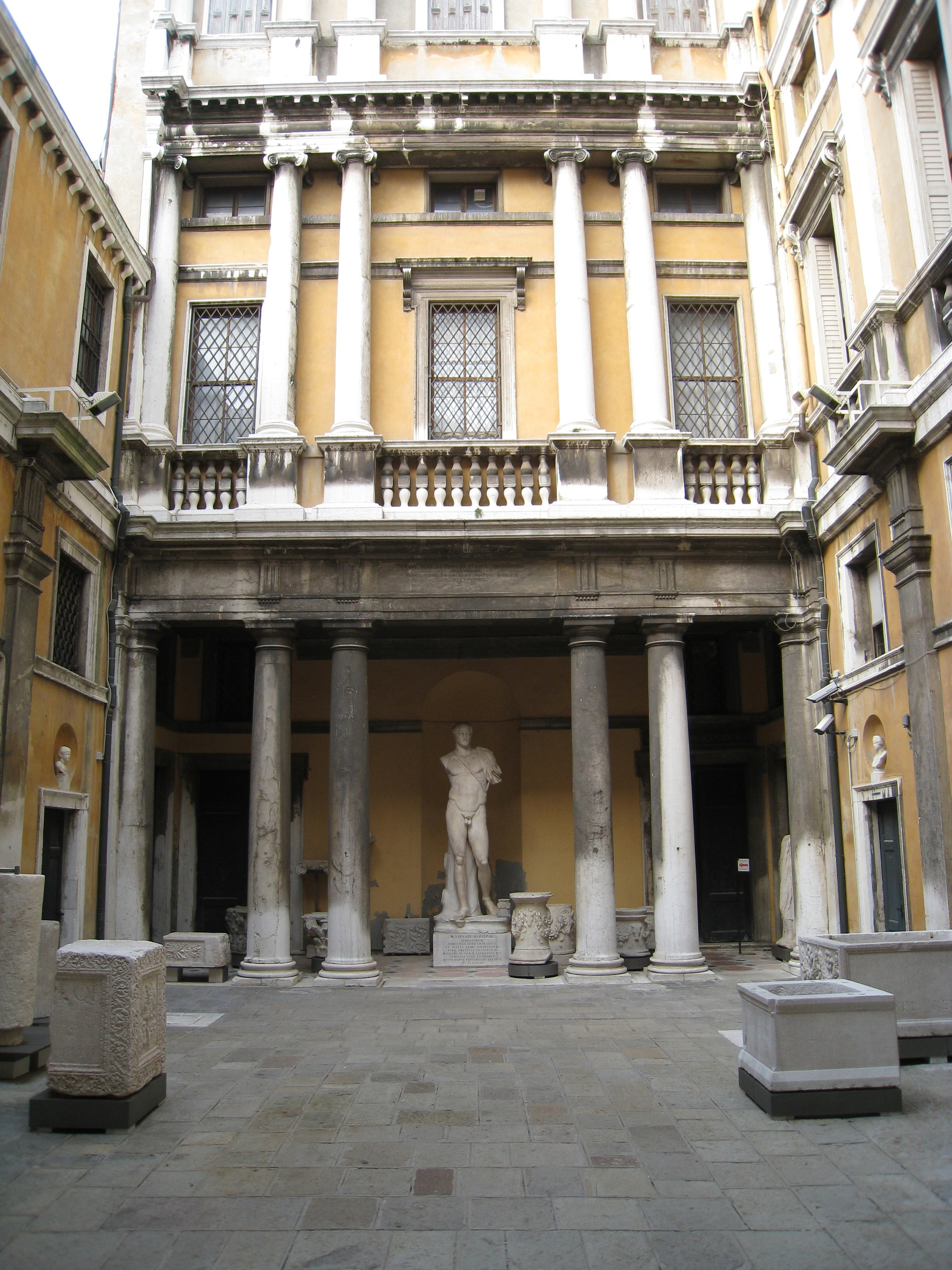

Walking through the palace, I could almost imagine the political machinery that once operated behind its walls. Venice was a republic, but it was far from a modern democracy. Political power was concentrated among the city’s patrician families, and elaborate systems existed to prevent any single individual from becoming too powerful. The result was a political structure that survived for centuries, helping Venice become one of medieval and Renaissance Europe’s most influential states.

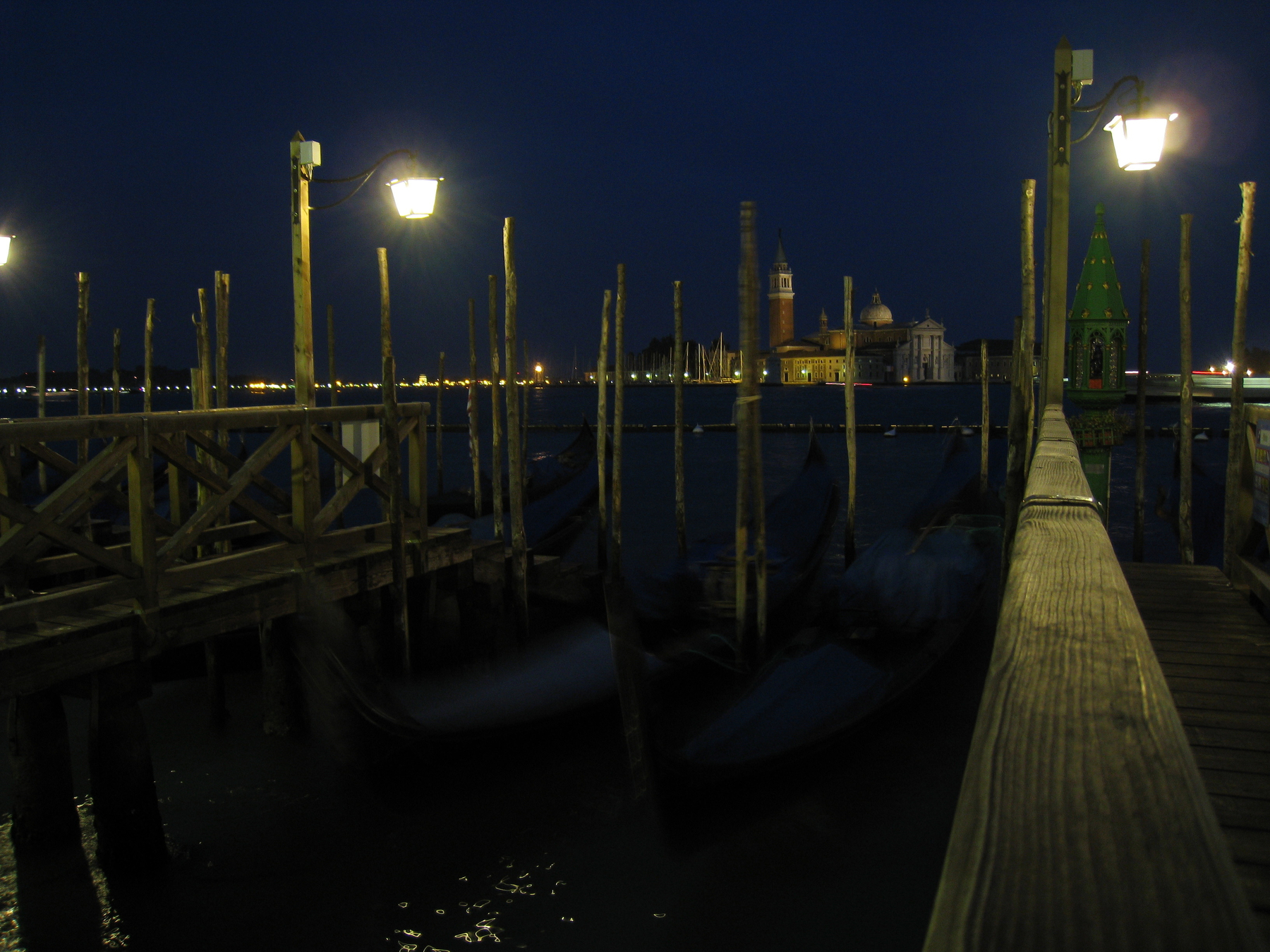
The famous Bridge of Sighs connects the Doge’s Palace to the former prison buildings across the canal. Its romantic name can be misleading. The “sighs” traditionally referred to prisoners supposedly catching their final glimpse of Venice through the bridge’s small windows as they were led toward imprisonment. The bridge itself dates from the early seventeenth century, long after the height of Venice’s medieval power, but its story has become inseparable from the city’s mythology.
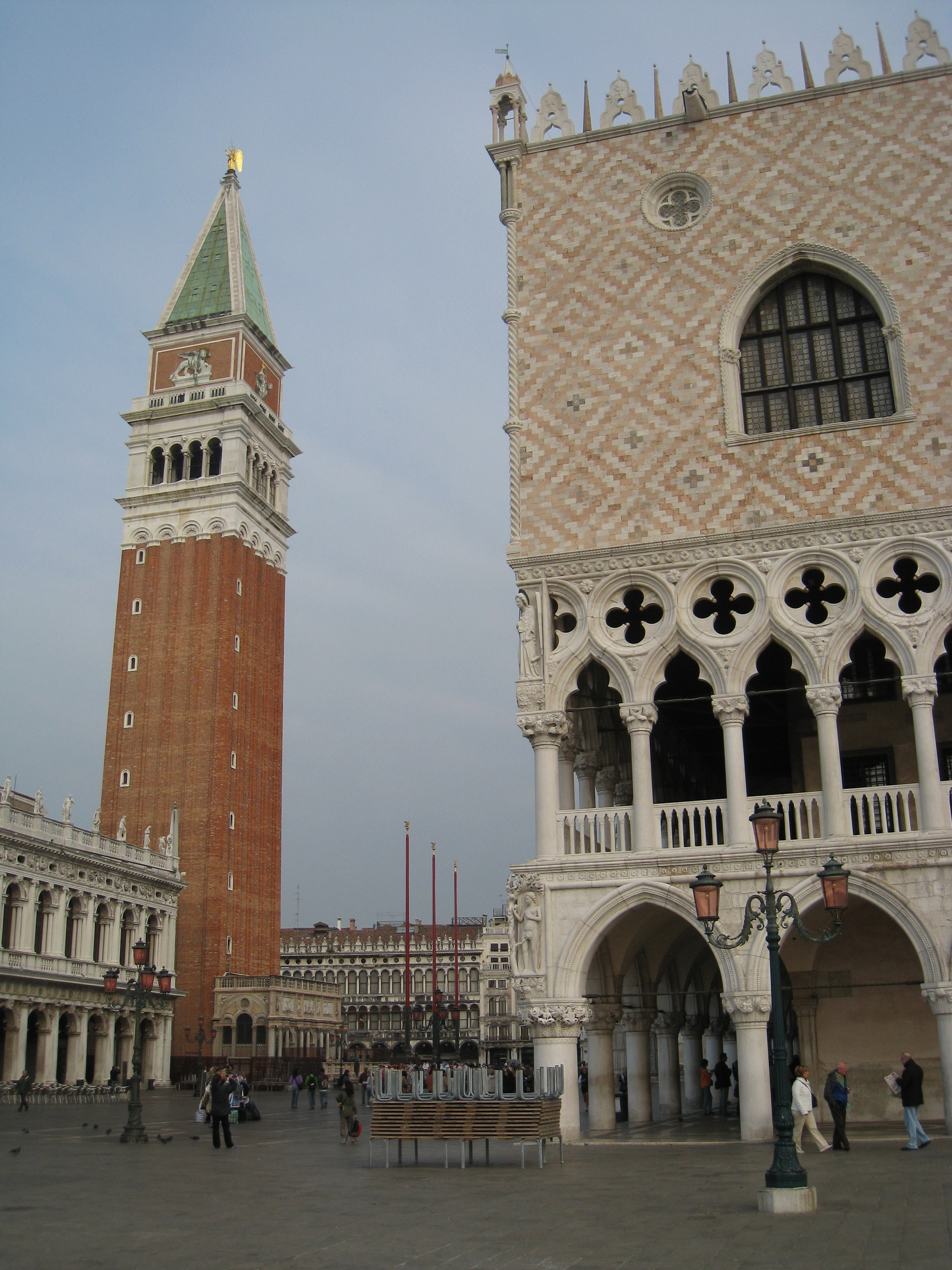
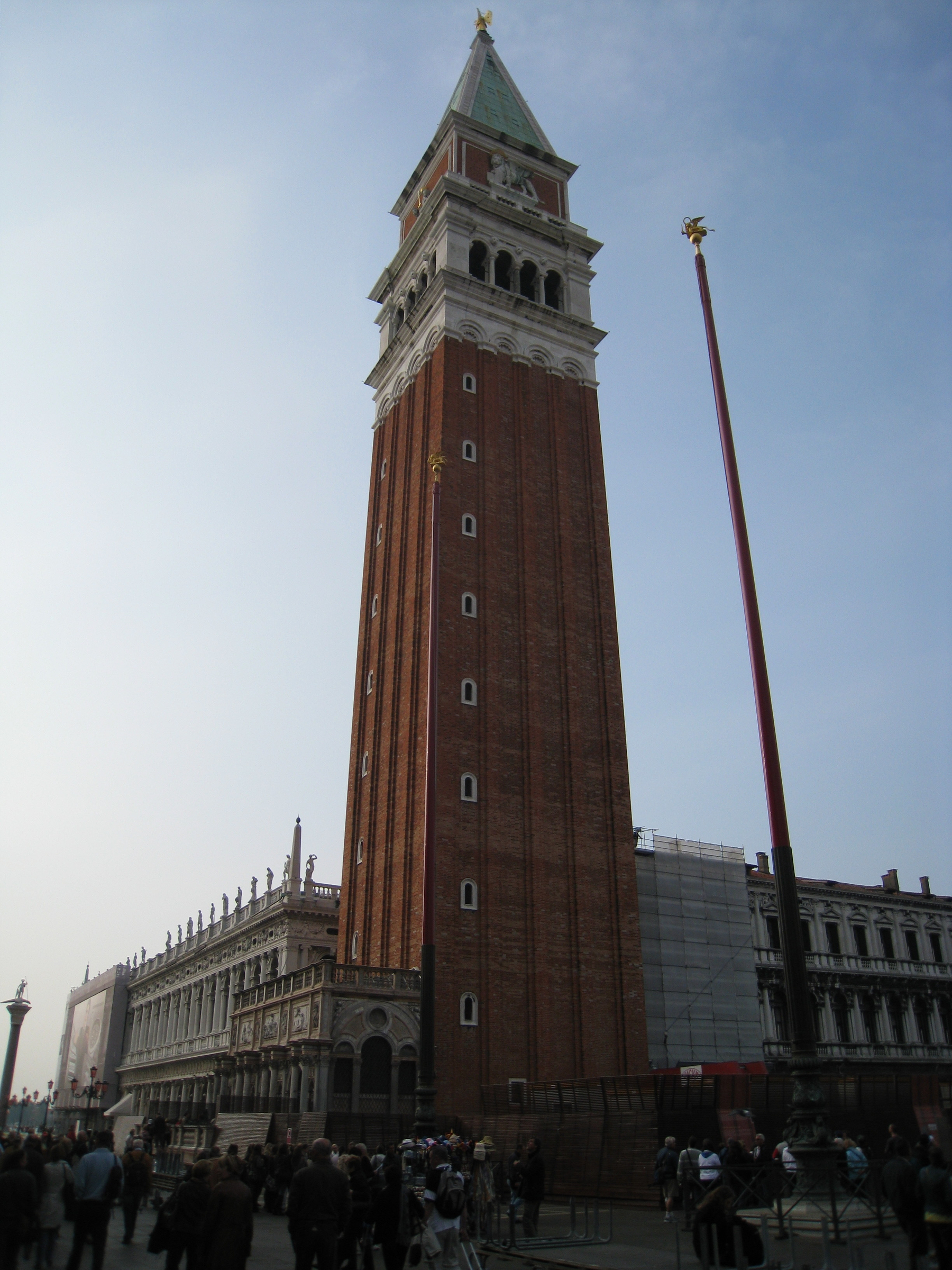
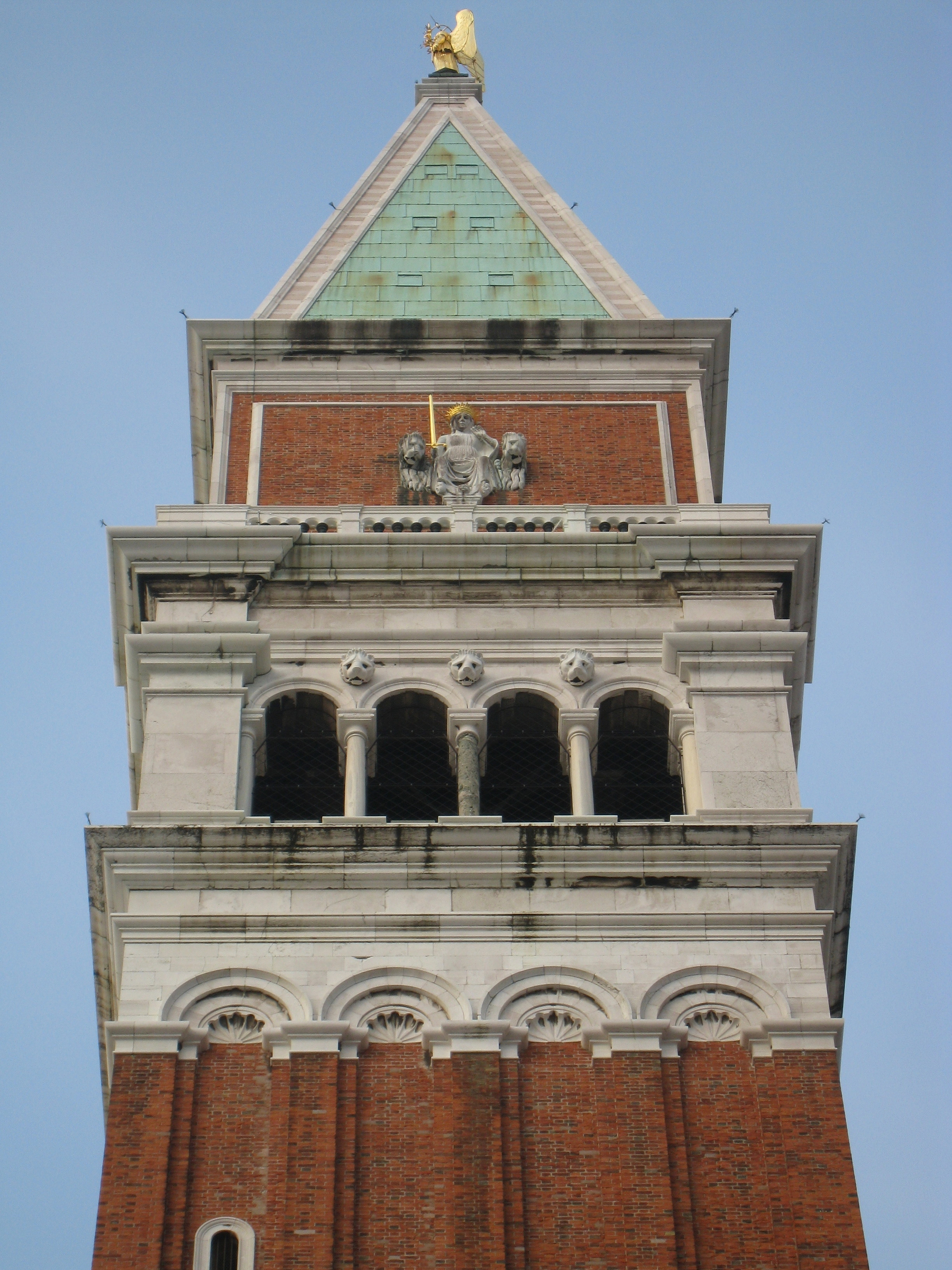
Dominating the eastern side of the square is the Campanile di San Marco. The original bell tower was constructed over many centuries and eventually reached nearly 100 metres in height. For generations, it served as a landmark for ships approaching Venice and as a lookout over the city. But the tower visitors see today is technically not the medieval original. On July 14, 1902, the Campanile unexpectedly collapsed, sending its enormous mass crashing into the piazza. Remarkably, nobody was killed. Venice rebuilt it almost exactly as it had been, and the new tower was completed in 1912.


I find that story particularly revealing about Venice. The city is often described as timeless, but it has repeatedly had to rebuild, repair, and reinvent itself. The Campanile is therefore more than a beautiful viewpoint. It is a symbol of the city’s determination to preserve its identity even when the physical structures representing that identity disappear.


From the top, Venice becomes something entirely different. The maze of narrow streets opens into a landscape of terracotta rooftops, domes, bell towers, canals, and islands. The Grand Canal curves through the city, while beyond the rooftops the Venetian Lagoon stretches toward the horizon. From this height, the peculiar genius of Venice becomes obvious: an enormous urban centre was constructed across a collection of marshy islands and mudflats, connected by bridges and waterways.


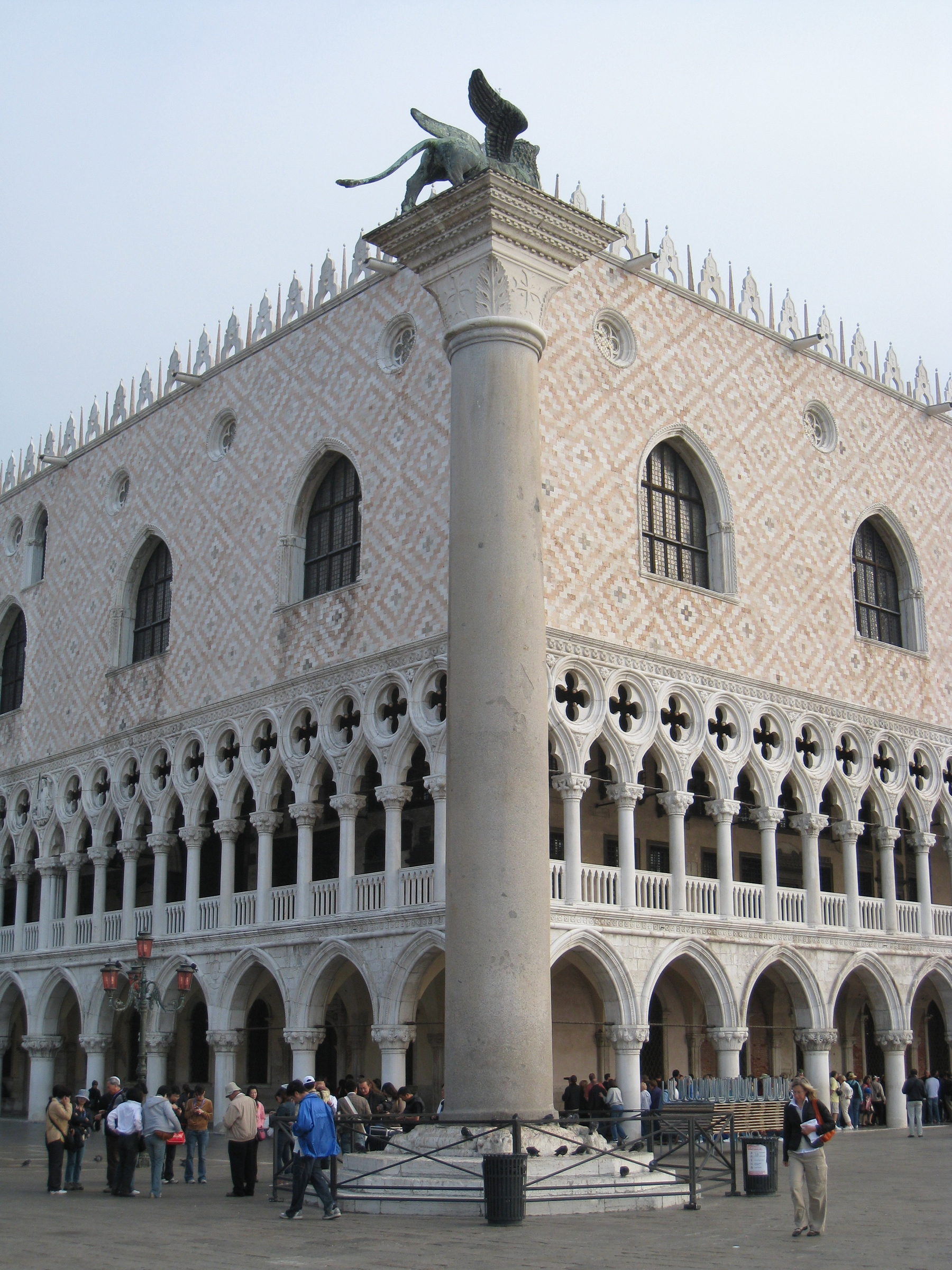
The two granite columns standing at the entrance to the piazza offer another glimpse into Venice’s medieval world. One carries the winged lion of Saint Mark, while the other supports a statue of Saint Theodore. Their presence marks the ceremonial entrance to the square, and their history includes a curious mystery: tradition says there were originally three columns, but one disappeared into the lagoon during construction. Whether it remains buried beneath the water has never been conclusively established.

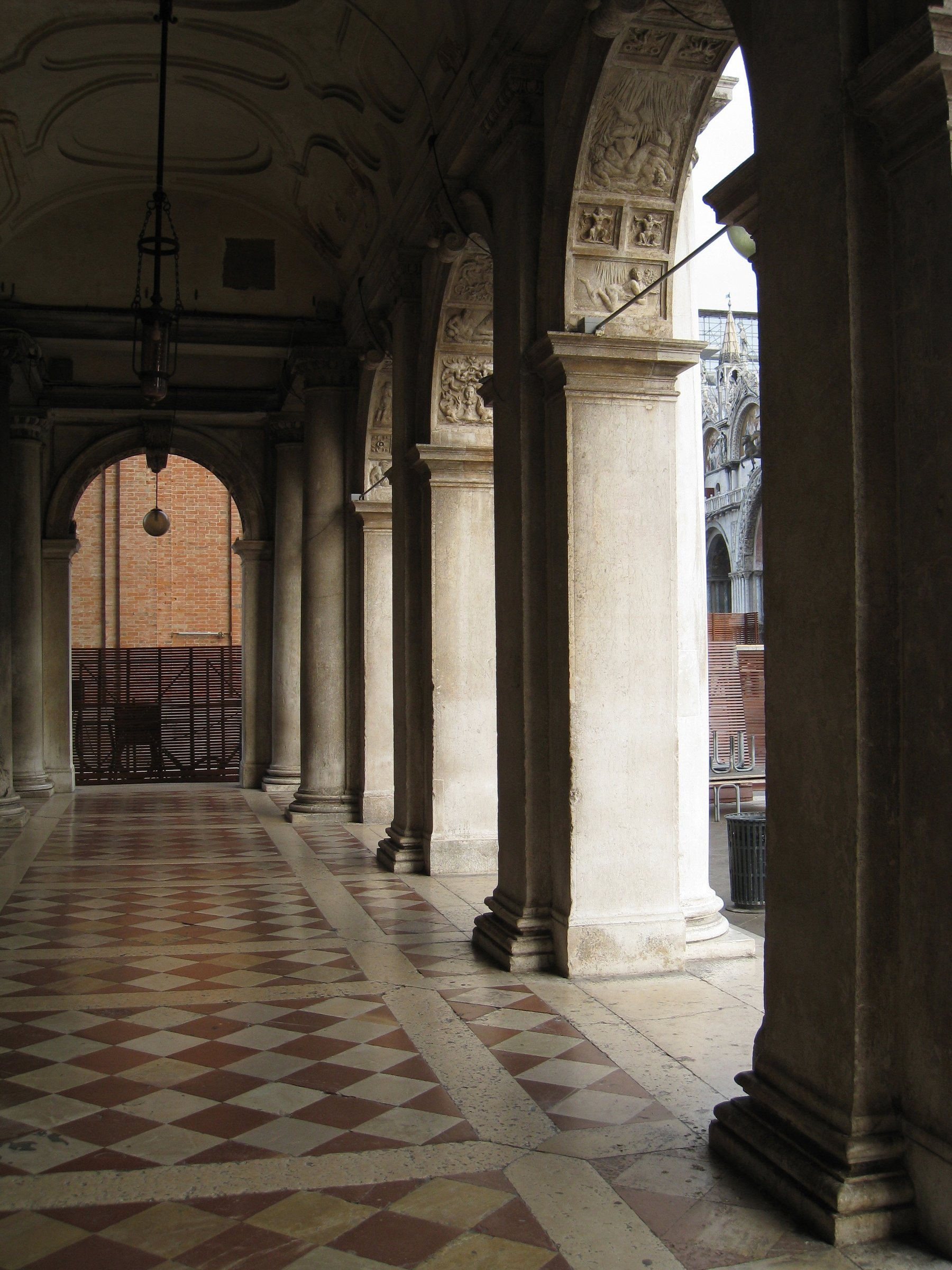
By the time I returned to ground level, I began noticing details I might otherwise have overlooked. The arcades surrounding the piazza were designed not only for elegance but also as sheltered spaces for movement and commerce. Under these arcades are some of Venice’s most historic cafés. Among them is Caffè Florian, established in 1720 and widely recognized as Italy’s oldest continuously operating café. Over the centuries, its tables have welcomed artists, intellectuals, politicians, aristocrats, and travellers.


Sitting in the square with a coffee, I found myself watching another chapter of Venetian history unfold in front of me. Of course, today’s Piazza San Marco is filled with visitors taking photographs and searching for the perfect angle. But beneath that modern tourism lies the same basic attraction that brought people here centuries ago: this was a place where Venice gathered, celebrated, traded, worshipped, governed, and displayed itself to the world.
The square also has an intimate relationship with the water. During periods of high tide, known as acqua alta, water can rise into Piazza San Marco, transforming the famous stone pavement into a reflective surface. The lowest parts of Venice are particularly vulnerable to flooding, and the problem has become increasingly important as sea levels rise and the city confronts the effects of climate change. Venice’s relationship with water has always been both its greatest strength and its greatest vulnerability.

As evening arrived, the crowds began to thin and the light changed everything. The stone façades became warmer, the basilica’s mosaics seemed to glow, and the lamps around the piazza began to replace the fading sunlight. Music drifted from the historic cafés, and the square took on a quieter character. For the first time that day, I could almost imagine Venice without the crowds.

Standing there, I thought about how many different worlds have passed through this square. Byzantine emperors, Venetian merchants, crusaders, diplomats, musicians, artists, prisoners, kings, sailors, and ordinary residents have all left traces here. The Venetian Republic itself disappeared in 1797 when Napoleon’s forces brought more than a thousand years of Venetian independence to an end. Yet the physical city survived, and its symbols remain remarkably powerful.


Eventually, I walked away from Piazza San Marco and into the narrow streets beyond it. The grandeur gradually disappeared, replaced by small canals, quiet bridges, shuttered windows, tiny shops, and the distant sound of footsteps. Yet I carried the piazza with me. That is perhaps Venice’s greatest trick: it doesn’t feel like a collection of monuments. It feels like a city where history has become part of the landscape itself.
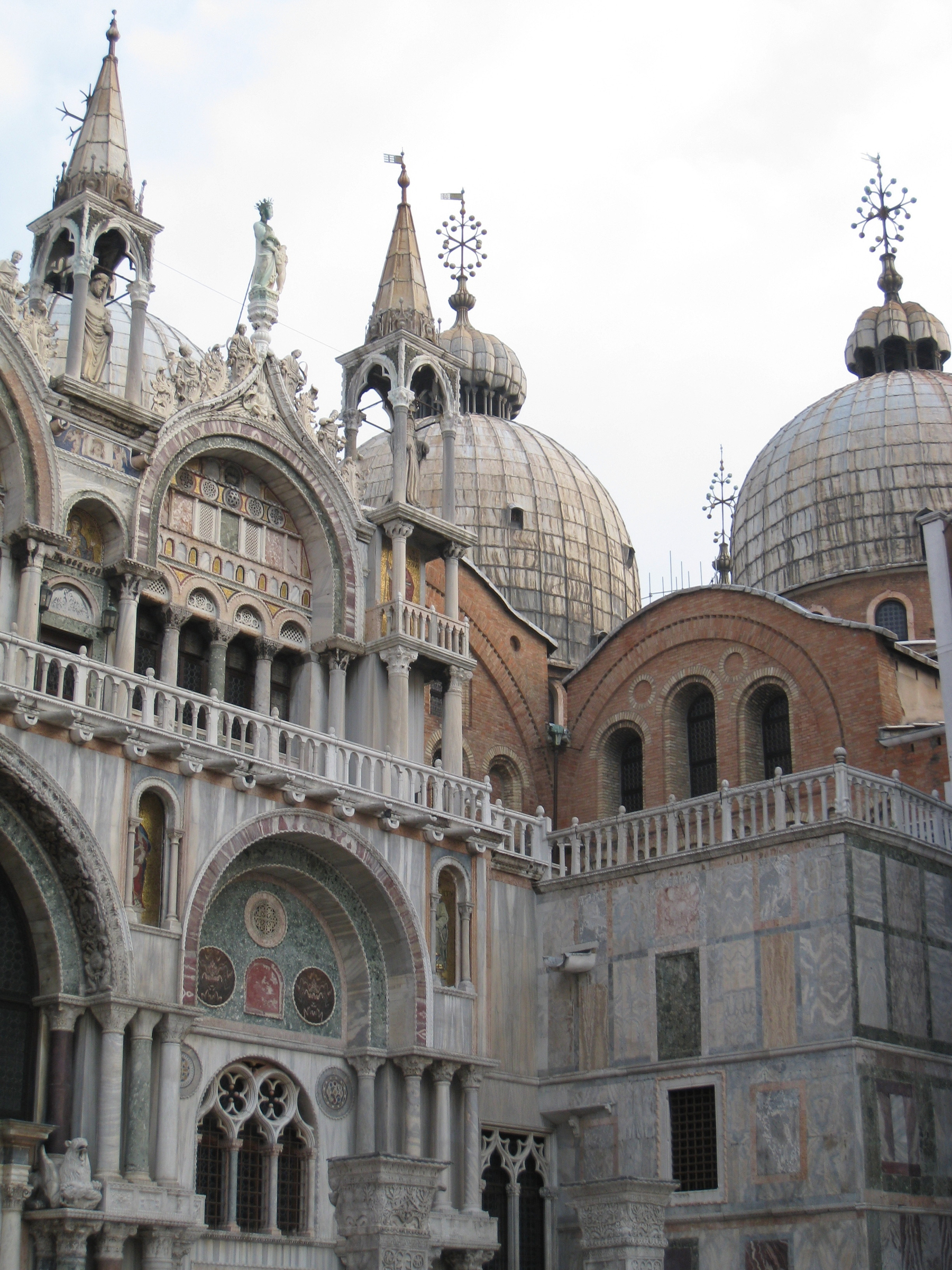
Piazza San Marco is therefore much more than Venice’s most famous square. It is a record of the city’s ambitions, wealth, faith, political power, artistic influences, triumphs, disasters, and extraordinary ability to survive. Standing there, surrounded by buildings that have witnessed more than a millennium of history, I didn’t feel as though I had simply visited a landmark. I felt as though I had briefly stepped into the long, unfinished story of La Serenissima.
#Photography #Photos #Blog #Photoblog #PiazzaSanMarco #Venice #VeniceItaly #VeniceTravel #VeniceHistory #LaSerenissima #SaintMarksBasilica #StMarksBasilica #DogePalace #CampanileDiSanMarco #BridgeOfSighs #VenetianRepublic #VenetianHistory #ItalianArchitecture #ByzantineArchitecture #VenetianLagoon #AcquaAlta #CaffeFlorian #VenicePhotography #ItalyTravel #TravelEssay #Travel Catalan Catalunya Espana
La Grande Arche de la Défense
The 20th-century counterpart to the classical Arc de Triomphe is La Grande Arche de la Défense (often simply called La Grande Arche). I stopped by it for the first time last week and I was quite impressed by its scale.
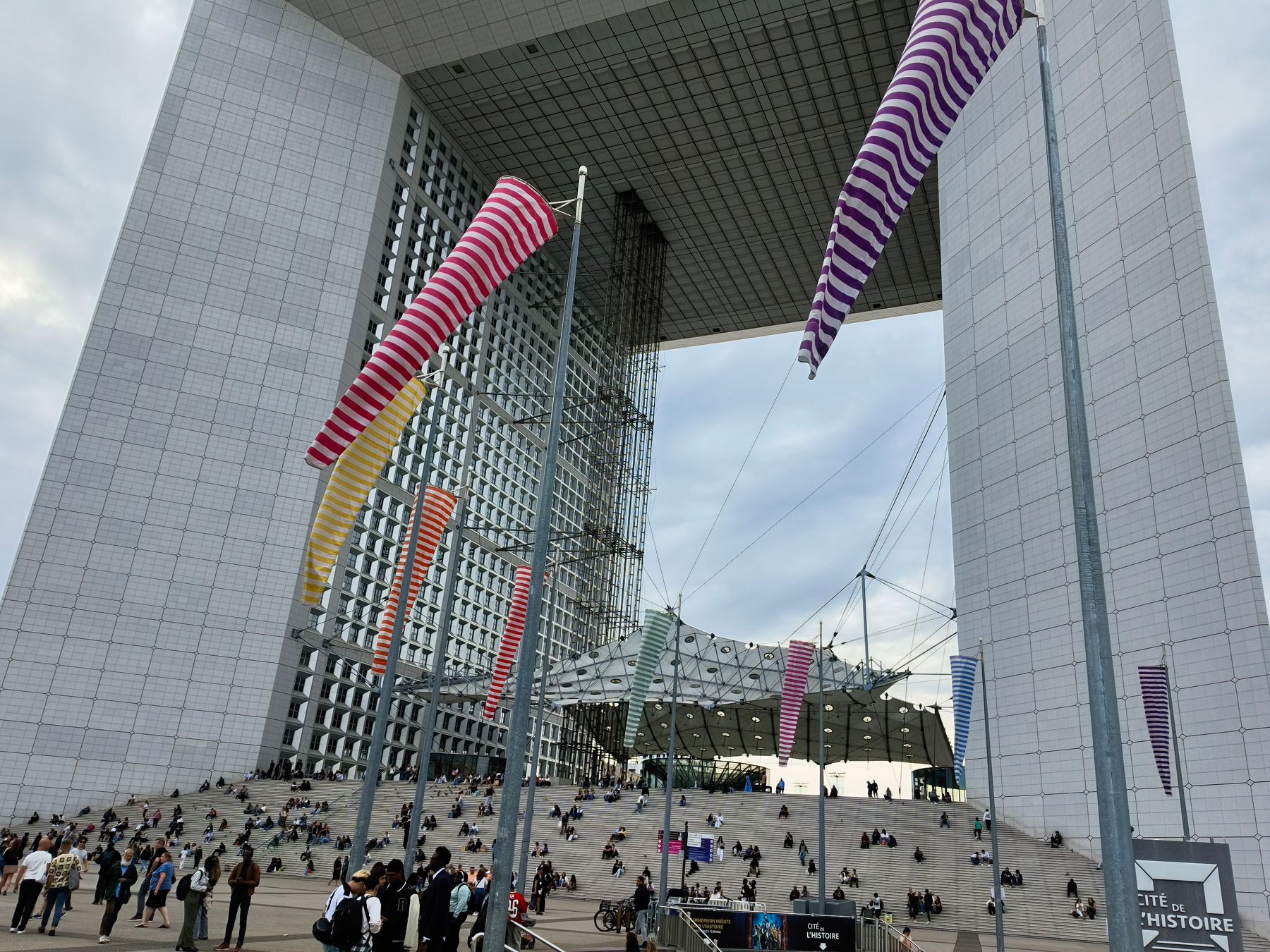
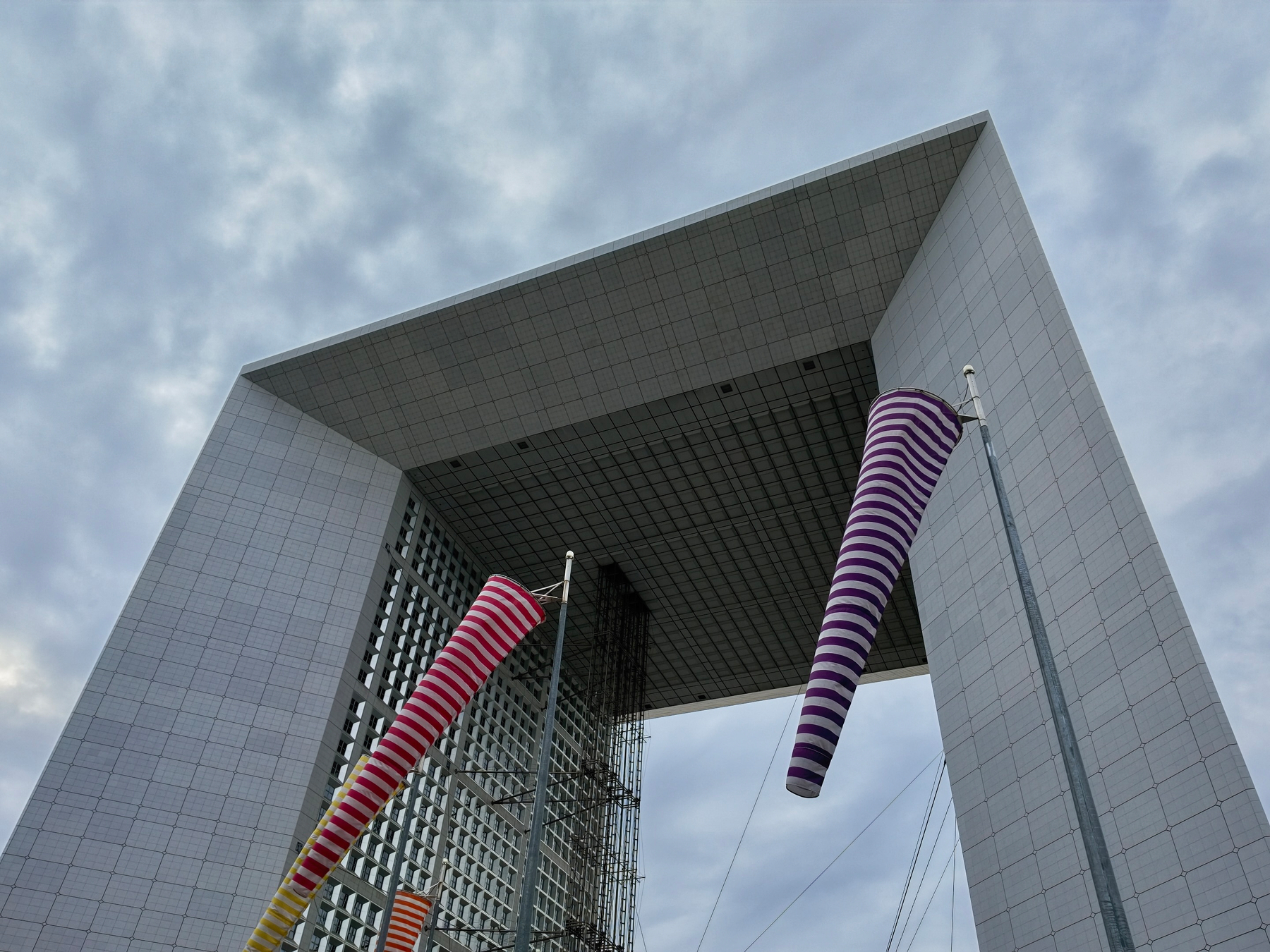
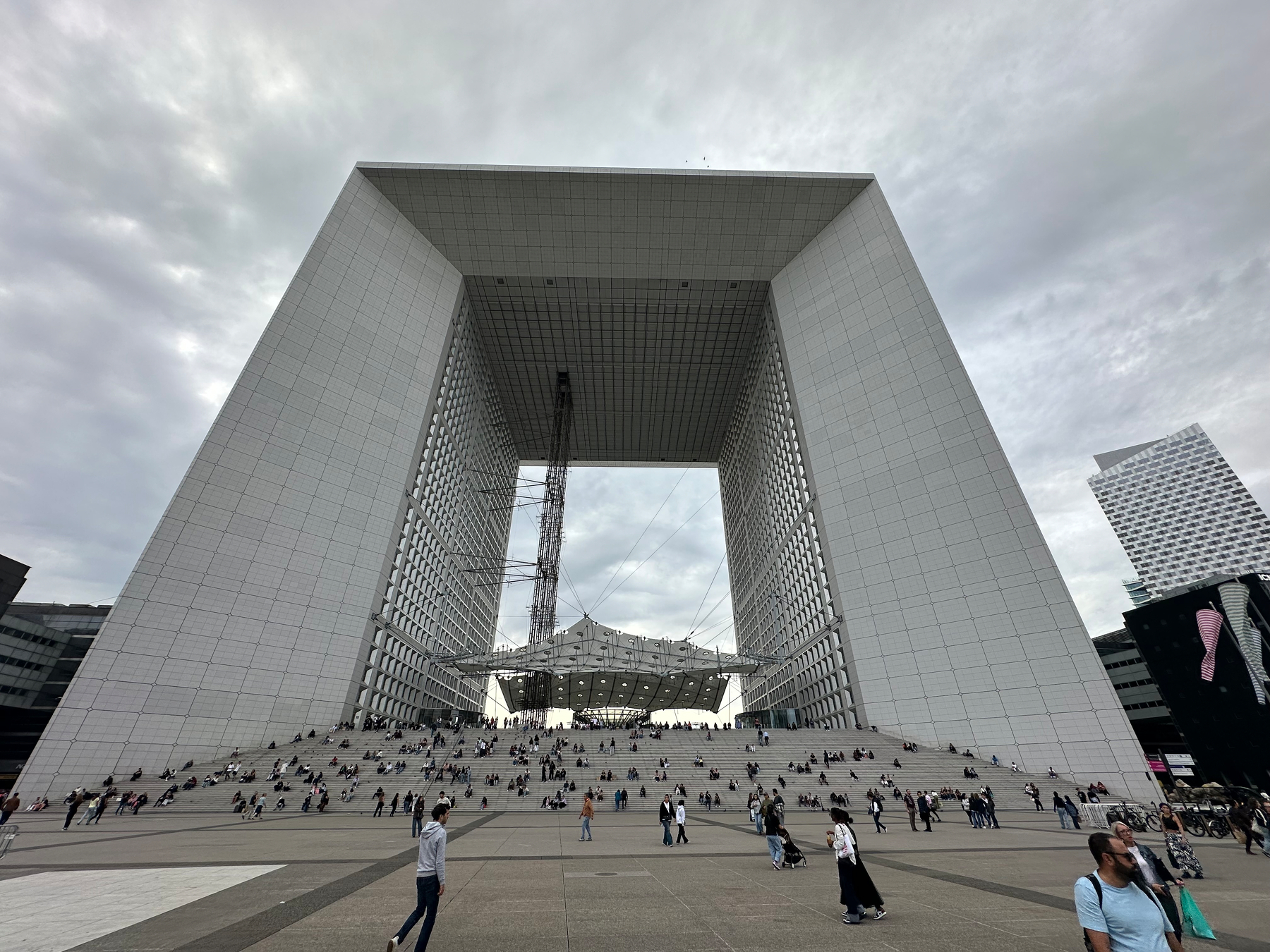
Rather than a traditional curve, it is a hollowed-out hyper-cube—110 meters tall, 108 meters wide, and 112 meters deep. The central opening is massive enough that the entire Notre-Dame Cathedral could theoretically fit inside it. Unlike traditional monuments, it is a fully functioning high-rise building hosting French government ministry offices, corporate headquarters, and exhibition spaces.
#LaGrandeArche #LaGrandeArcheDeLaDefense #LaDefense #Paris #AxeHistorique #GrandesTravaux #JohanOttoVonSpreckelsen #PaulAndreu #ModernArchitecture #Neomodernism #FrenchArchitecture #ParisianArchitecture #ParisLandmarks #ContemporaryParis
Central Park, The Wild Heart of New York

The first thing that strikes me about Central Park is how quickly New York disappears. One moment I am surrounded by traffic, towering buildings, horns, sirens, and the relentless movement of Manhattan; the next, I am walking beneath trees with the skyline appearing only occasionally through the branches. Central Park doesn’t simply provide a break from New York—it creates another version of the city entirely. It feels quieter, older, and somehow more mysterious, even though millions of people pass through it every year.

What makes Central Park particularly fascinating is that almost nothing about this landscape happened by accident. The lakes, meadows, winding paths, wooded hills, bridges, and dramatic rock formations may look completely natural, but much of the park was carefully designed in the nineteenth century. Central Park was created according to the Greensward Plan, designed by Frederick Law Olmsted and Calvert Vaux, and construction began in the 1850s. Their ambition was extraordinary: to create a democratic landscape where New Yorkers of different social backgrounds could escape the pressures of the rapidly growing industrial city.

That idea becomes even more remarkable when I remember what existed here before the park. This wasn’t always the enormous green landscape I see today. The area contained rocky terrain, farms, homes, quarries, roads, and communities. One of the most important was Seneca Village, a predominantly African American community established in 1825. Residents owned property, built homes, churches, and a school, but the community was displaced in the 1850s when the city acquired the land for Central Park. Today, the history of Seneca Village is increasingly recognized as an essential part of the park’s story.

Walking deeper into the park, I find myself surrounded by an extraordinary mixture of people. On the Great Lawn, baseball games and picnics compete for space with sunbathers, musicians, families, and people simply lying on the grass. Elsewhere, runners disappear around winding paths while cyclists glide past. Central Park somehow accommodates all of them. It is one of the rare places where New York’s incredible diversity becomes visible without anyone needing to say a word.

Then I reach Bethesda Terrace, one of the park’s most spectacular architectural spaces. At its centre stands Bethesda Fountain, with the famous Angel of the Waters sculpture above it. The fountain was completed in 1873, and the angel was designed by Emma Stebbins—the first woman to receive a major public sculpture commission in New York City. Beneath the terrace is another surprise: the Arcade, decorated with an extraordinary ceiling of colourful encaustic tiles.

From Bethesda, I can wander toward The Lake and eventually reach Bow Bridge, perhaps one of the most romantic corners of Central Park. The elegant cast-iron bridge dates from the 1860s and was one of the earliest cast-iron bridges built in the park. Standing above the water, surrounded by trees and framed by Manhattan skyscrapers, it creates one of those impossible New York scenes where nineteenth-century landscape design and twenty-first-century architecture seem to coexist perfectly.

But Central Park becomes even more interesting when I leave the famous landmarks behind. The Ramble feels almost like a wilderness hidden inside Manhattan. Its winding paths, rocks, trees, streams, and dense vegetation were deliberately designed to create a sense of natural discovery. It is also an important destination for birdwatchers, with numerous species passing through during migration. In a city famous for concrete and glass, finding such a rich bird habitat feels almost surreal.

There are legends too. Deep inside the Ramble is the famous Ramble Cave, a small rocky feature that has acquired an almost mythical reputation over the years. It is one of many reminders that Central Park was designed to encourage exploration. Olmsted and Vaux didn’t want visitors simply to see everything at once. They wanted the landscape to unfold gradually, with paths revealing new views and unexpected discoveries.

Heading north, the atmosphere changes again. The North Woods offers one of the closest experiences to a forest that Manhattan provides. A small waterfall, winding paths, stone bridges, and dense vegetation make it surprisingly easy to forget where I am. Nearby stands the Blockhouse, a small fortification dating from the War of 1812. Built in 1814, it predates Central Park itself and is considered the oldest surviving structure in the park.

Another remarkable survivor from a much older world stands not far from the Metropolitan Museum of Art: Cleopatra’s Needle. Despite its Egyptian name, it has no direct connection to Cleopatra. The ancient obelisk was originally erected in Heliopolis around 1450 BC during the reign of Pharaoh Thutmose III. It was later moved to Alexandria and eventually transported to New York, arriving in 1880. Standing beside a skyscraper-filled Manhattan, the ancient stone feels almost impossibly out of place—and that is precisely what makes it fascinating.

Not every corner of Central Park is monumental.Some of my favourite discoveries are smaller. The Shakespeare Garden, for example, was designed around plants mentioned in the playwright’s works. Conservatory Water provides another peaceful pause, while nearby stands the beloved Alice in Wonderland sculpture, created by José de Creeft and unveiled in 1959. Children climb over the bronze figures while adults photograph the scene, turning a work of public art into something wonderfully interactive.

And then there is Belvedere Castle. Perched on Vista Rock, this small Victorian structure looks like it belongs in a European fairy tale rather than Manhattan. Built in the nineteenth century, it was designed as a picturesque lookout rather than a defensive fortress. From its elevated position, visitors can see across the park and toward the surrounding skyline. Today, the castle is also associated with weather observation, making it both whimsical and surprisingly practical.

Central Park even has its own water system and reservoirs, another reminder of how carefully the landscape was engineered. The Jacqueline Kennedy Onassis Reservoir covers more than 100 acres and provides one of the park’s most recognizable panoramas. Walking around it, I can see the skyscrapers rising beyond the trees, a spectacular reminder that this enormous open space sits directly in the centre of one of the world’s busiest cities.

One of the park’s most fascinating details is how much of its landscape was constructed from difficult terrain. Workers had to blast and remove enormous quantities of rock, move soil, create lakes, construct roads and bridges, and plant thousands of trees and shrubs. What looks effortless today required an extraordinary nineteenth-century engineering and landscaping project. Central Park is therefore as much a work of engineering as it is a work of landscape art.

By late afternoon, the character of the park changes once again. The hard light softens, the skyscrapers begin to glow, and the paths fill with people heading home. Musicians play near bridges and terraces, horse-drawn carriages move along designated routes, and the last sunlight catches the tops of the trees. From certain viewpoints, the skyline seems almost painted behind the greenery.

This is perhaps what I love most about Central Park: it belongs to everyone. It is a place for quiet reflection, exercise, romance, music, photography, history, wildlife, and simply doing absolutely nothing. There are grand monuments and tiny hidden corners, carefully designed vistas and places that feel completely wild. You can spend an entire day here and still leave knowing that you have only scratched the surface.

Yet Central Park is also a reminder that landscapes can carry complicated histories. Beneath the beauty are stories of displacement, urban expansion, ambitious planning, environmental change, and generations of New Yorkers who have used the park in very different ways. Understanding those stories doesn’t diminish the experience. Instead, it makes the landscape feel deeper and more human.

As the sun begins to disappear behind Manhattan’s buildings, I find a bench and watch the park slowly change colour. The city never really becomes silent, but from here its noise feels distant. I think about the people who designed this landscape, the communities that existed here before it, the generations who have walked these paths, and the millions who continue to make Central Park part of their lives.

Eventually, I leave through one of the park’s entrances and the familiar sounds of Manhattan return almost immediately. Cars rush past, buildings tower overhead, and the city resumes its relentless rhythm. But Central Park has a way of staying with you. It isn’t simply an oasis surrounded by New York—it is one of the places where the city’s history, imagination, architecture, nature, and humanity meet. And perhaps that is the real magic of Central Park: in the middle of one of the world’s greatest cities, it gives you room to breathe.
#CentralPark #NewYorkCity #NYC #CentralParkHistory #NewYorkTravel #Manhattan #CentralParkPhotography #SenecaVillage #BethesdaTerrace #BowBridge #TheRamble #BelvedereCastle #CleopatrasNeedle #GreatLawn #ShakespeareGarden #AliceInWonderland #NewYorkHistory #Olmsted #CalvertVaux #TravelEssay #Travel #Photography #Photos #Blog #Photoblog